NEWHALL
House & Estate · Est. 1650
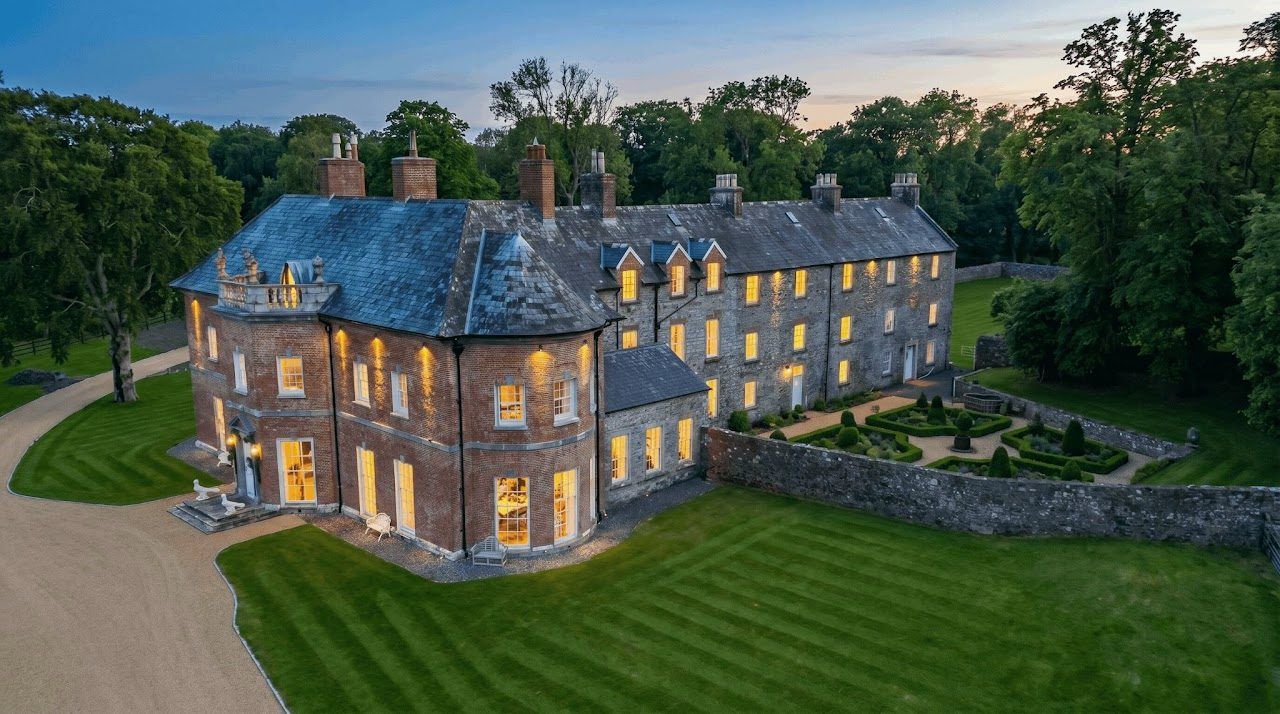
In the late 18th century, Newhall became the property of the MacDonnell family, who forged significant alliances through several marriages with the O’Brien dynasty and the Viscounts Clare.
James MacDonnell of Kilkee, a staunch Jacobite, initially aligned himself with the catholic King James II, serving as a captain in Lord Clare’s dragoons. However, following William of Orange’s victory at the Battle of the Boyne, MacDonnell pragmatically shifted his allegiance, from catholic to protestant, to protect his holdings.
In 1702, he played a key role in acquiring the confiscated estates of his cousin, the 3rd Viscount Clare, who had been exiled to France after his lands were forfeited due to his support of James II and the subsequent Flight of the Wild Geese. His attempt to rally catholic support from the continent.
Additionally, James MacDonnell contributed to local governance, serving as a commissioner for the poll tax in County Clare in 1695. His marriage to Elizabeth O’Brien, the daughter of Christopher O’Brien of Ennistymon, further cemented ties with the O’Brien family, including connections to the ill-fated Lord Clare.
Killone Abbey was established in 1190 by Donal Mór O’Brien, King of Thomond (Co Clare) and King of Munster, as a sanctuary for nuns following the Rule of St Augustine.
The abbey maintained close ties to the O’Brien dynasty, one of the preeminent Gaelic noble families of medieval Ireland. Many of its abbesses were drawn from the O’Brien lineage, including Slaney O’Brien (d. 1260), daughter of Carbreagh, King of Thomond. Slaney relinquished her royal status and material wealth to dedicate her life to the abbey, where she served as abbess. During a time of political upheaval, Killone Abbey offered both a refuge and a haven for virtue.
Slaney was celebrated in the Irish annals as “the most pious, most charitable, and most generous woman in all Munster.”
The abbey’s later history was shaped by Lady Honora O’Brien, the daughter of Murrough O’Brien, 1st Earl of Thomond, who served as its last abbess before the dissolution of monastic houses in 1540. Lady Honora married Sir Roger O’Shaughnessy, becoming the heiress to Newhall and Killone. Their union, formalised through a papal dispensation, occurred after the birth of their three eldest children.
By 1617, Killone Abbey had fallen into ruins. Despite this, the site remains a cherished landmark, renowned for its tranquil setting, historical significance, and natural beauty.
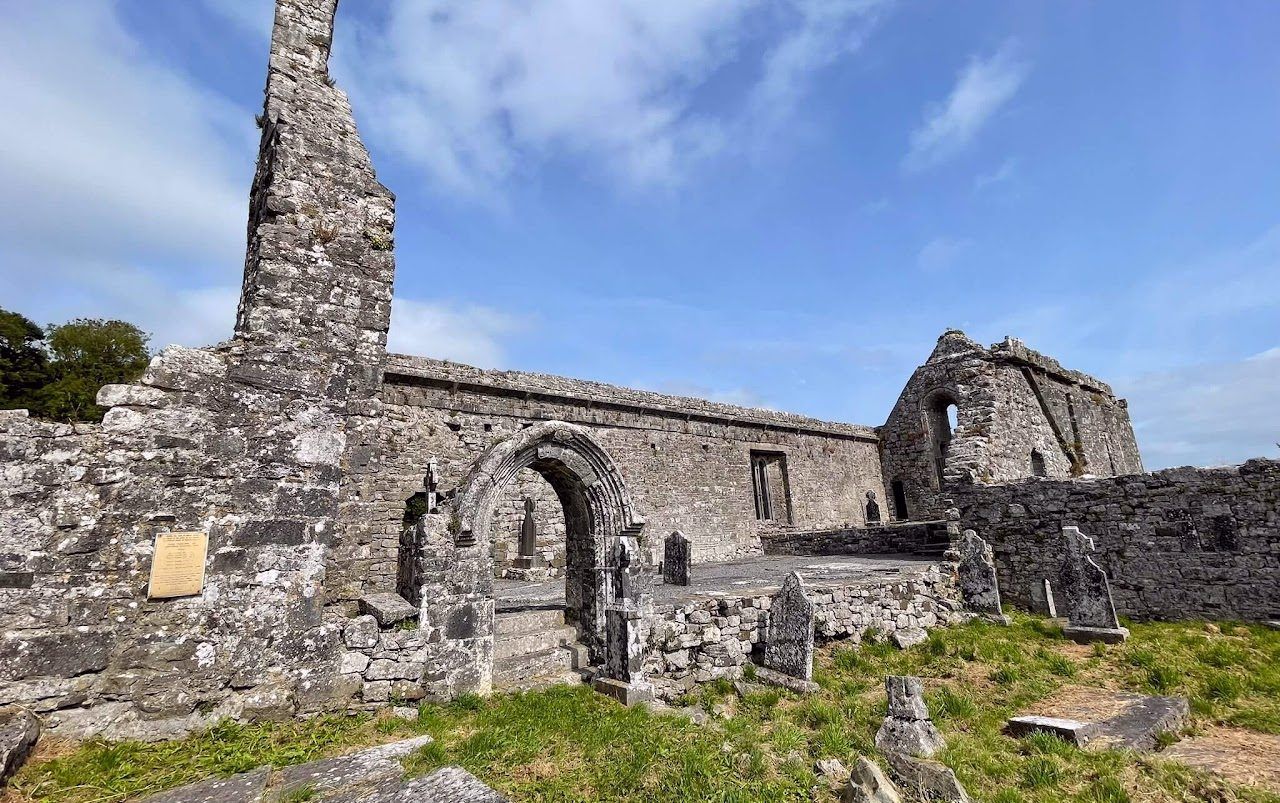
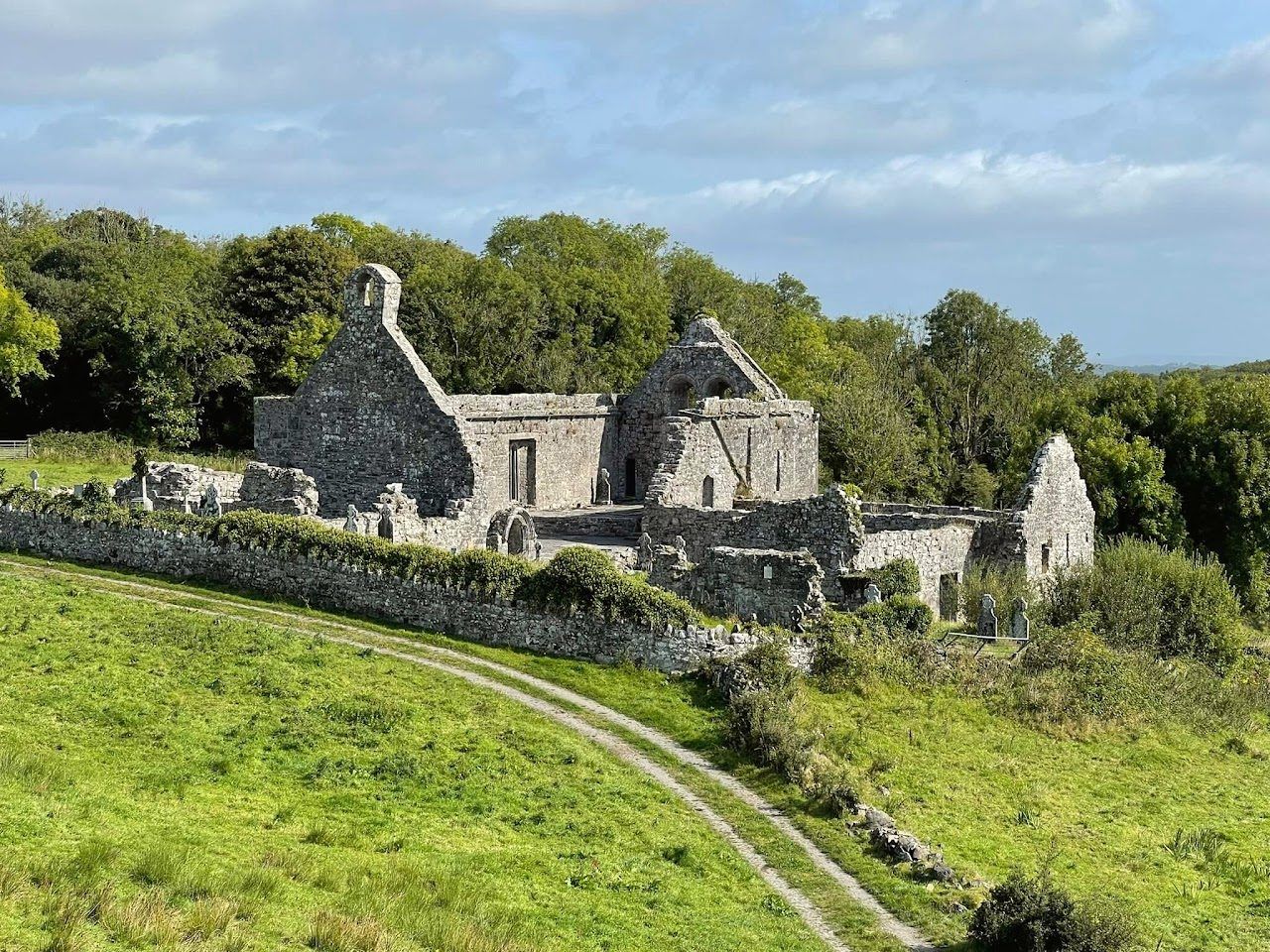
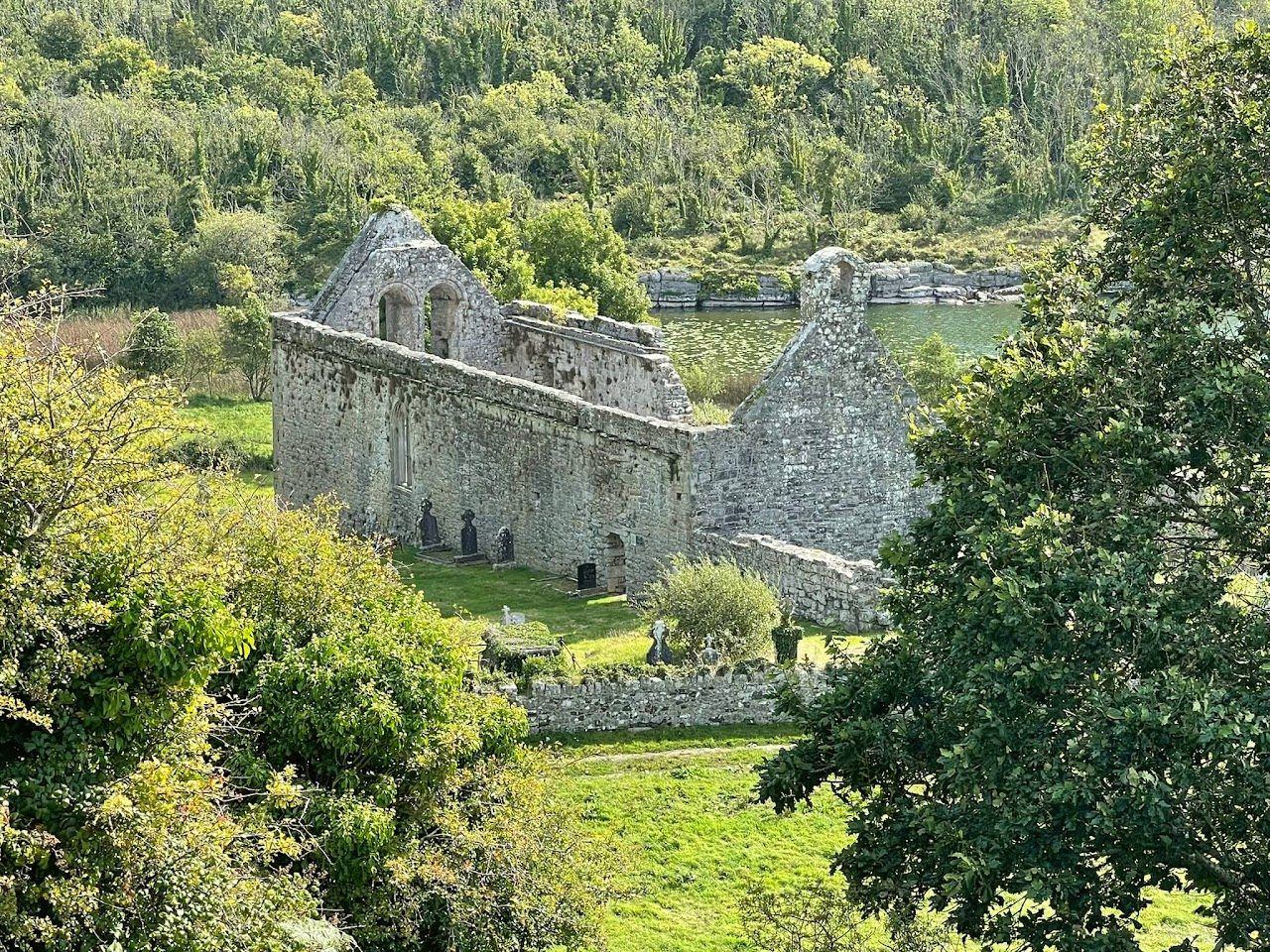
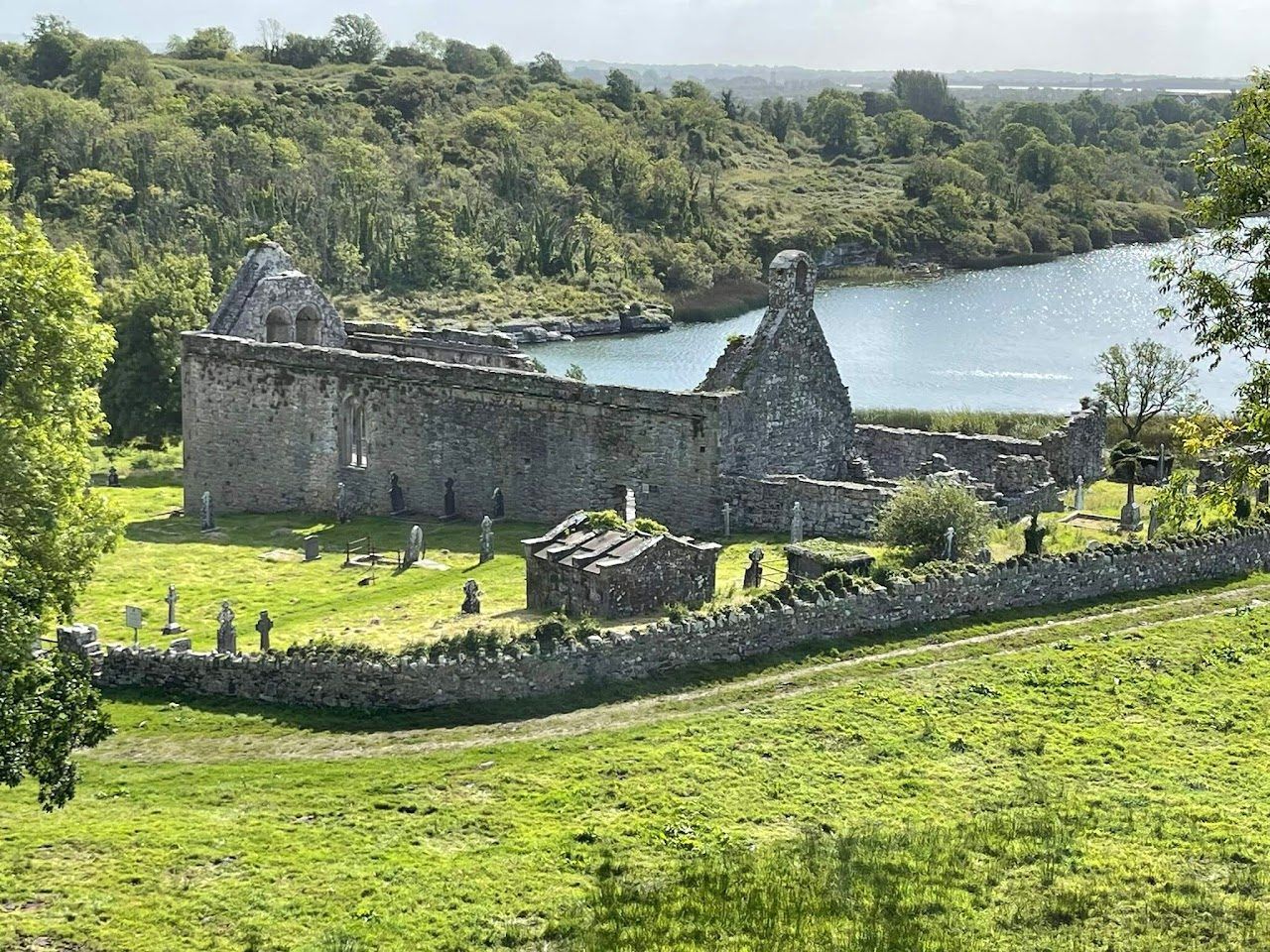
Visitors come every year for Mass on St John the Baptist feast day 23rd June.
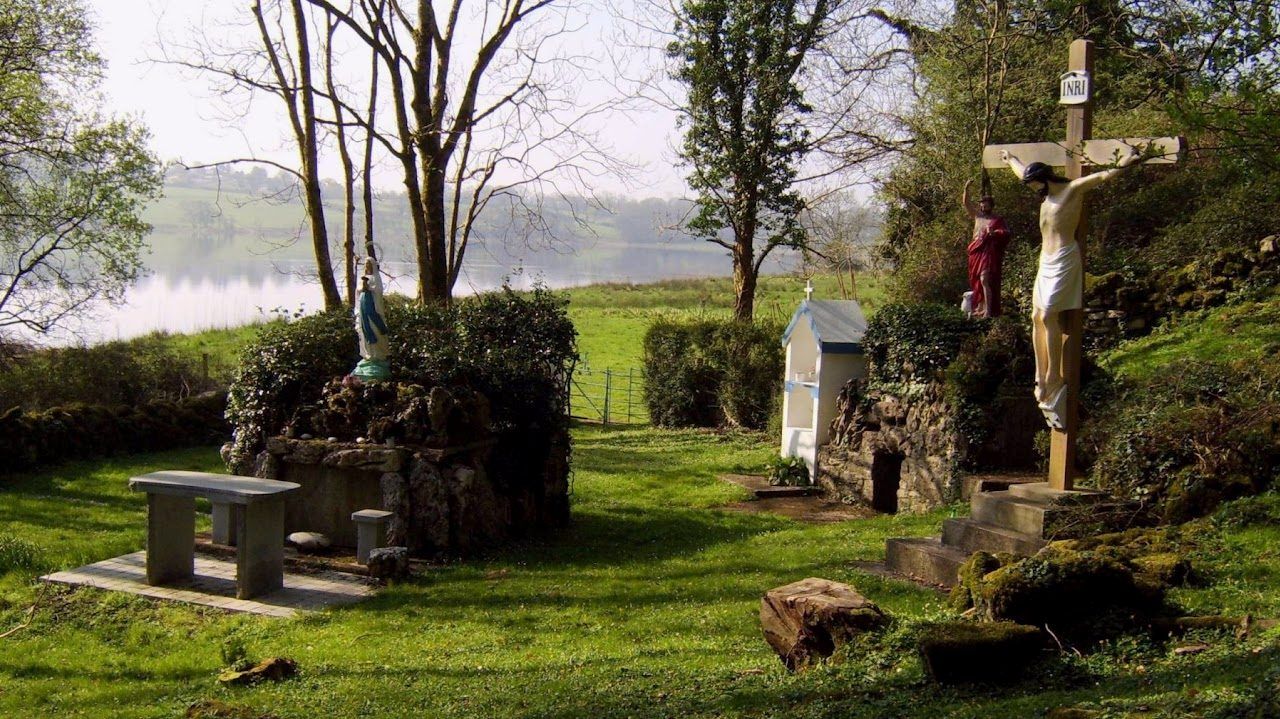
A place of pilgrimage for centuries, its origins stretch back to pre-Christian times. Renowned for its healing properties, the well has long attracted those seeking blessings and cures, particularly on the feast day of Saint John.
The site features remnants of historical stone structures surrounding a natural spring, reflecting its sacred significance. Inscriptions on the stones, some dating back to the 1600s, serve as enduring markers of devotion and link the well to the spiritual practices of generations past.
Local folklore and historical accounts celebrate the well as a place of reflection, healing, and veneration. Its reputation continues to draw visitors who come to experience its serene atmosphere and to honour the traditions associated with this ancient site.
In 1899, Lord Walter Fitzgerald, the fourth son of Charles, 4th Duke of Leinster, visited the well and documented its inscriptions in his work Inscriptions at St John’s Well, Killone Abbey, County Clare.
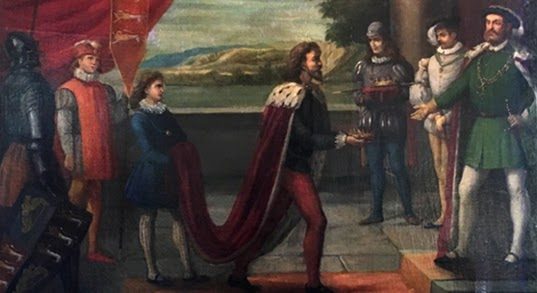
King Henry VIII granted Killone Abbey, the parish of Killone, including Newhall, and numerous property in County Clare to Murrough O’Brien, 1st Earl of Thomond. This followed Murrough’s strategic decision to offer the kingdom of Thomond to the King in exchange for receiving his lands and titles under the Crown. This arrangement, known as “surrender and regrant,” allowed Murrough to retain his status and holdings as a feudal subject of Henry VIII.
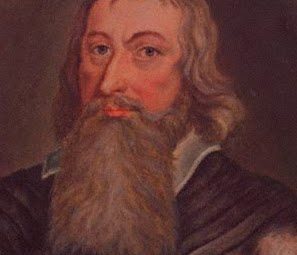
Killone Castle was under the ownership of the Baron of Inchiquin. Newhall House is said to be built with stones from Killone Castle and the basement of Newhall is said to be part of the old castle.
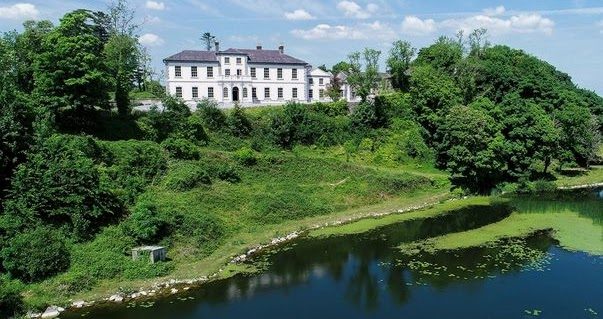
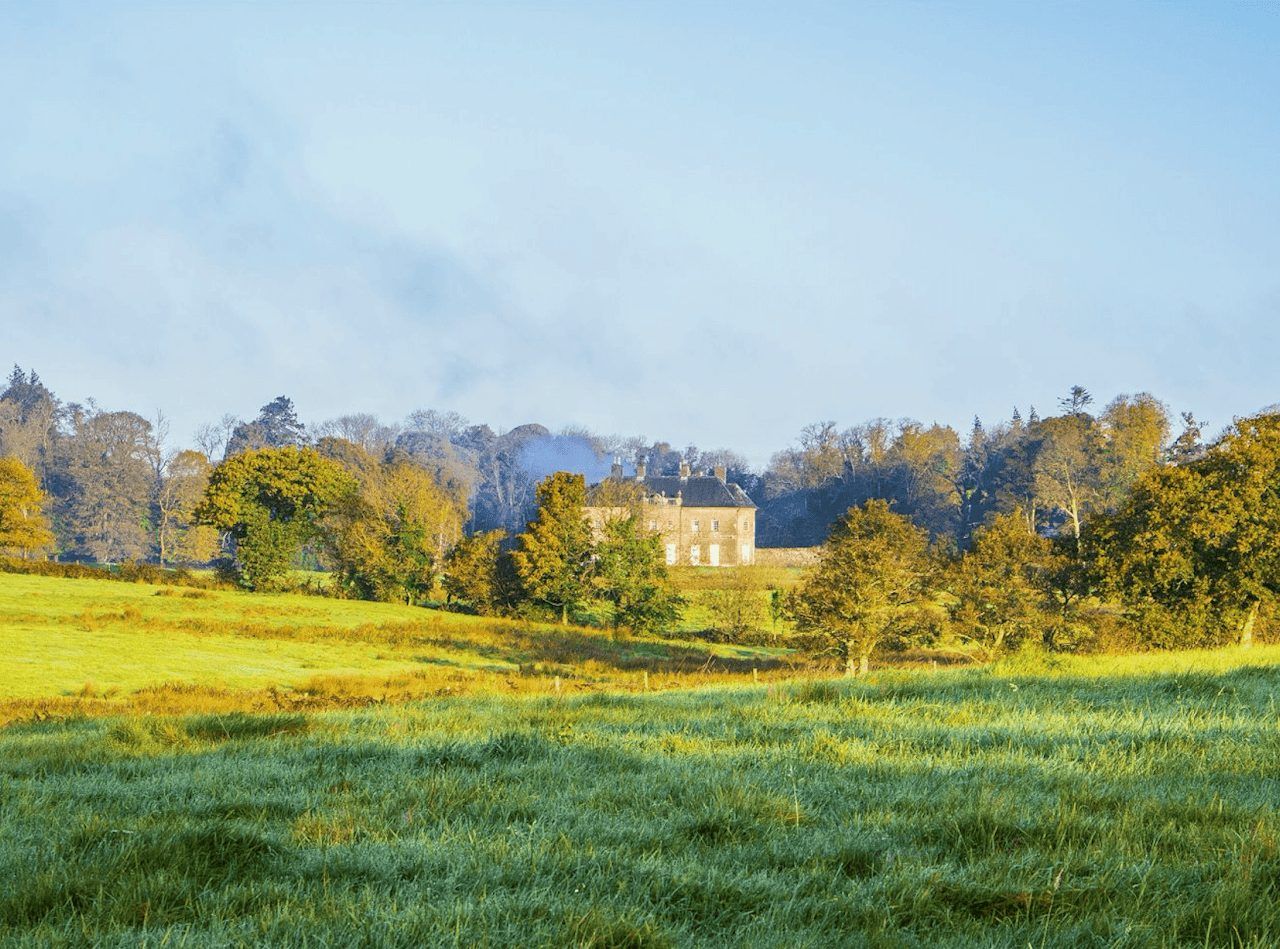
In 1650, the groundwork for Newhall House was laid, with construction on its original rear section and stables. At the time, the estate was under the ownership of The Viscount Clare, marking the foundation of what would become an enduring landmark in the region.
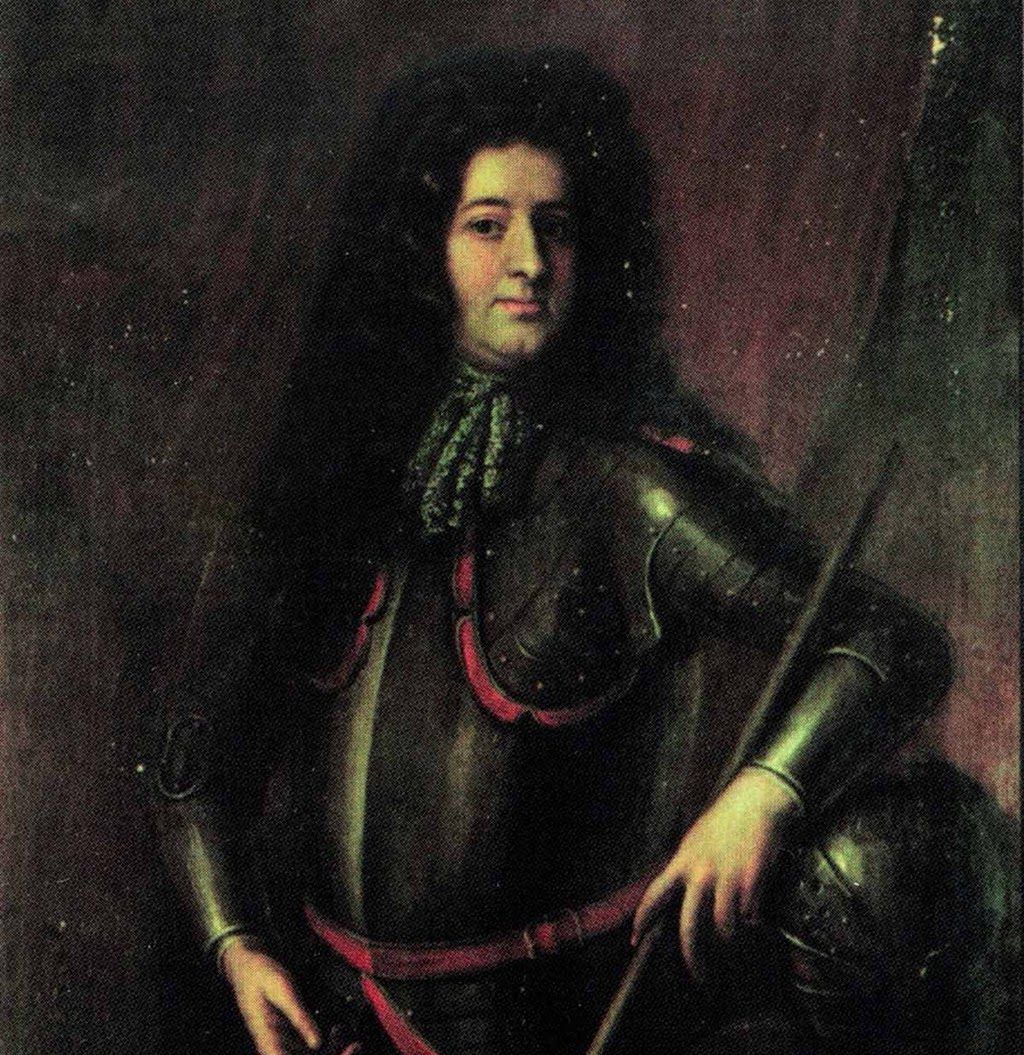
Colonel John O’Brien of Newhall, a member of the influential O’Brien family and son of the Earl of Inchiquin, bequeathed Newhall and Killone to his wife, Honora O’Brien, in his will. This act further cemented the estate’s ties to one of Munster’s most powerful dynasties.
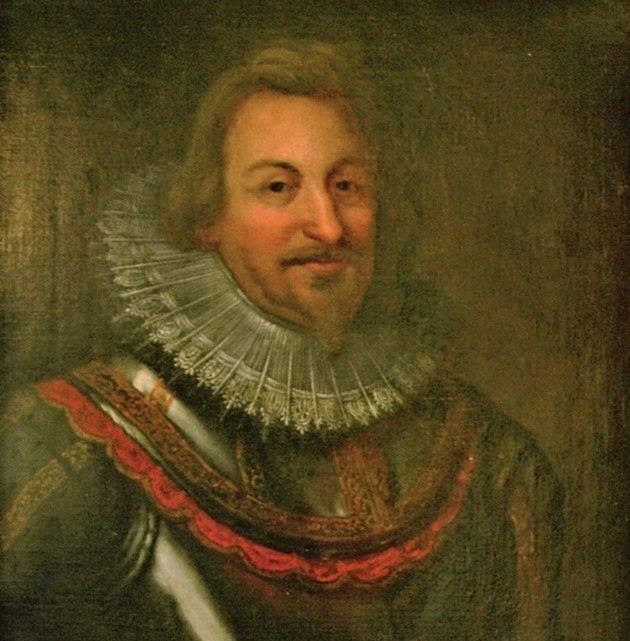
By 1747, Honora O’Brien had an affair with Richard Burke, 2nd Earl of Clanricarde, which resulted in the birth of their illegitimate son, Richard Burke of Newhall. Richard’s daughter, Marcella Burke, later married Donough O’Callaghan of Kilgorey in 1747, marking her second marriage.
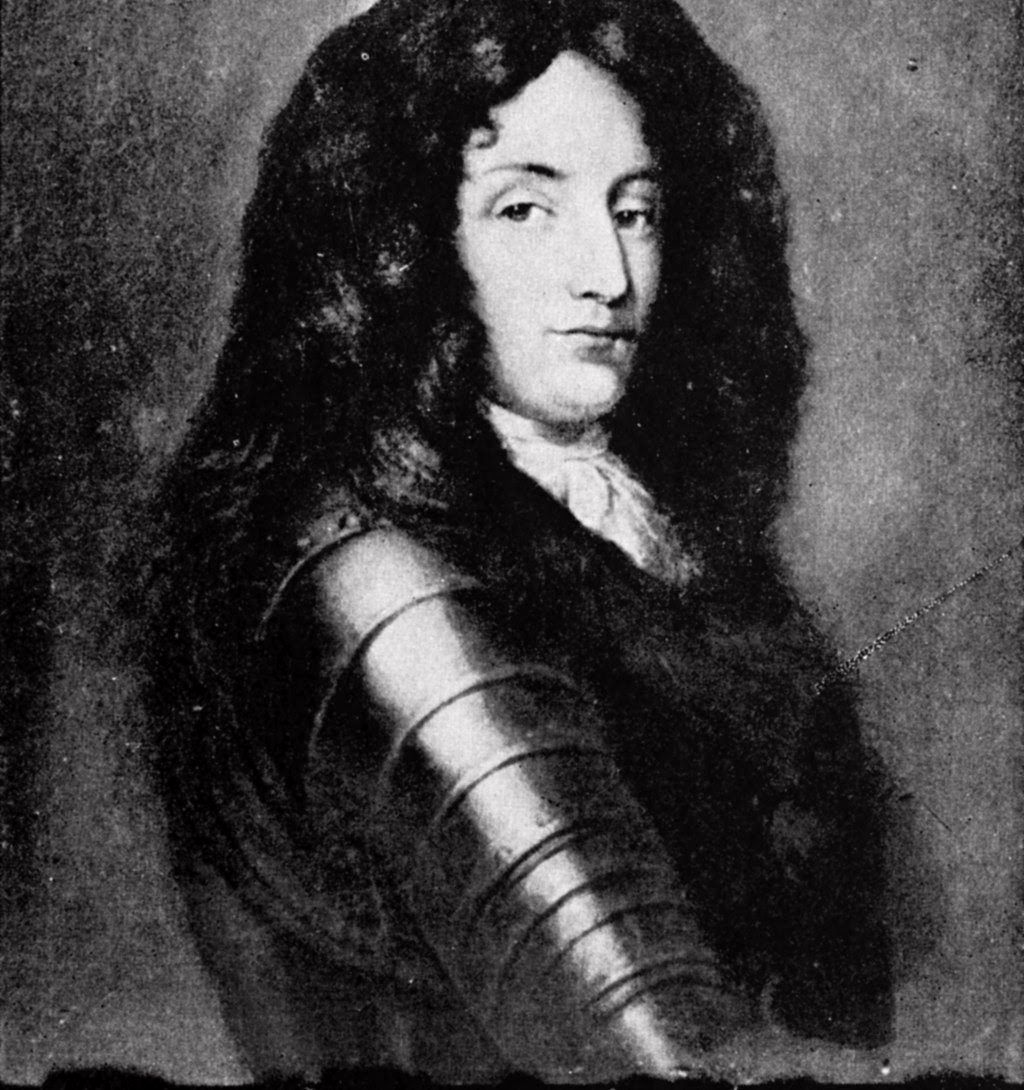
In 1764, Charles MacDonnell purchased Newhall from his maternal uncle, Sir Edward O’Brien, 2nd Baronet of Dromoland Castle. Charles married Sir Edward’s daughter, Katherine O’Brien, further strengthening ties between the families.
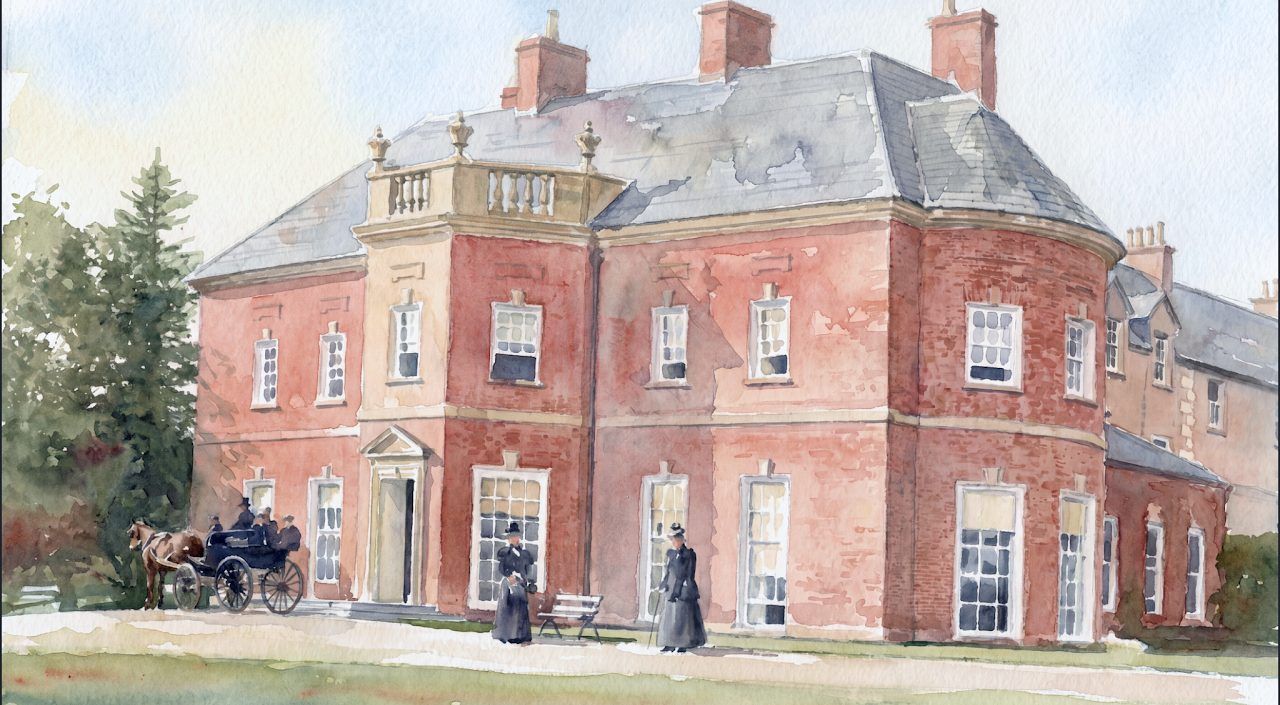
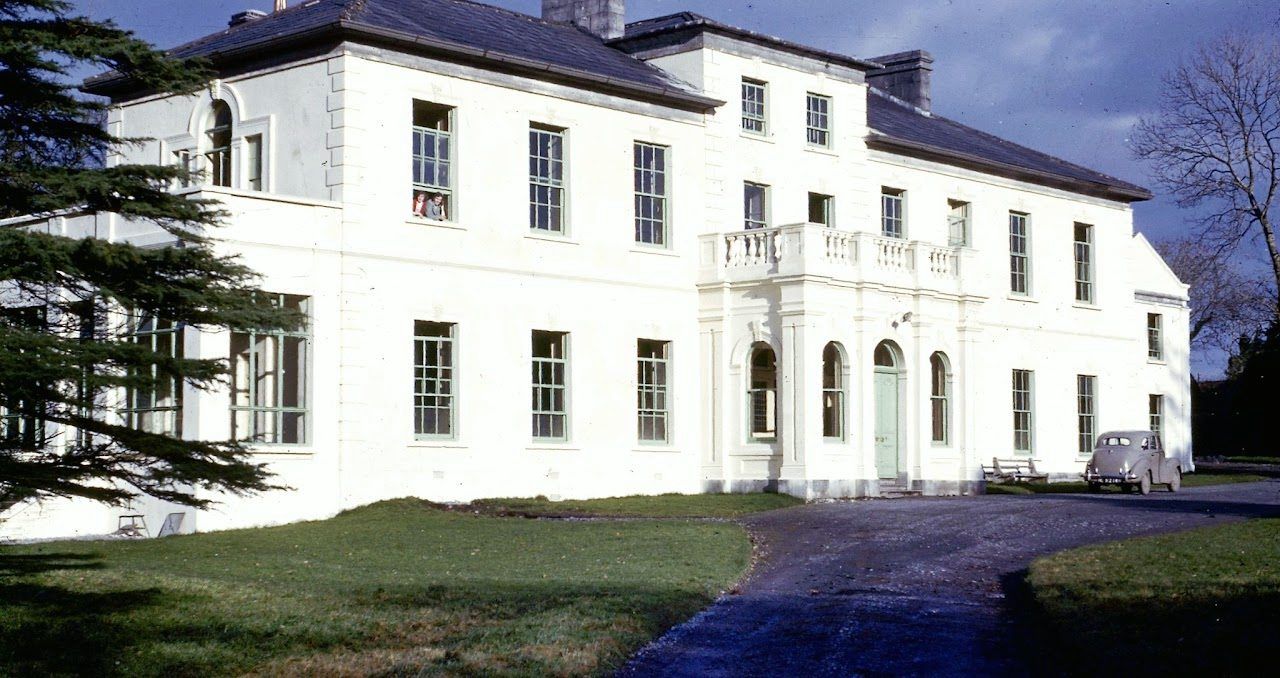
MacDonnell served as Member of Parliament until his death and oversaw significant expansions to Newhall House. Under his direction, the original structure was transformed, with the addition of a Georgian Queen Anne-style façade.
This renovation created a distinctive T-shaped layout, with the extended rear section repurposed as servants’ quarters.
In 1967, the Knight of Glin, a president of the Irish Georgian Society, attributed the design of the extension to County Clare gentleman painter and architect Francis Bindon MP.
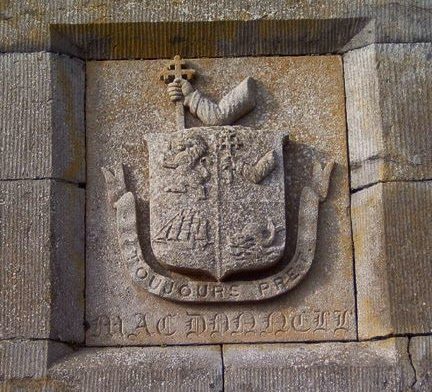
Charles and Katherine’s son, also named Charles MacDonnell, was born in 1761 and followed in his father’s footsteps as a Member of Parliament. He was appointed lieutenant-colonel commandant of the Earl of Belvidere’s regiment in 1794 and demonstrated his leadership by raising and commanding a volunteer regiment in Canada during the American War. Later, he represented the borough of Yarmouth and was appointed a commissioner of accounts in 1802. He died in Bath, England, on 6 September 1803.
In 1821, John MacDonnell, Esq., of Newhall served as magistrate, deputy lieutenant, and high sheriff of County Clare. Having been a minor following his father’s death, he assumed these roles upon coming of age. John MacDonnell also distinguished himself as a volunteer in Spain during the Peninsular War. He resided at Newhall until his death in 1850, leaving a legacy of public service and military contribution.
By the 19th century, the Armstrong family of Mount Heaton, County Offaly, had succeeded to the Newhall estate. This followed the 1809 marriage of William Henry Armstrong to the granddaughter of Charles MacDonnell. Their second son, William Edward Armstrong, inherited the estate from his uncle, John MacDonnell, in 1850. By royal license, he assumed the additional name and arms of MacDonnell.
In 1853, William Edward Armstrong MacDonnell was appointed deputy lieutenant and high sheriff of County Clare and became Colonel commanding the Clare Militia.
In 1858, he married the Hon. Juliana-Cecilia O’Brien, the eldest daughter of Lucius O’Brien, 13th Lord Inchiquin, further strengthening ties with the region’s prominent families.
During the 1870s, the Newhall estate spanned 6,670 acres. By the 1890s, it was occupied and rented by Robert and Florence Vere O’Brien, relatives of the MacDonnell family.
In June 1871, Major William MacDonnell hosted a grand ball at Newhall for some two hundred guests — a measure of the house’s standing among Clare’s gentry.
Florence Vere O’Brien, a noted writer and philanthropist, included a chapter about Newhall in her book Sketches in the Sunny South, offering a vivid glimpse into the estate’s history and character.
Slater’s Directory of 1894 lists Newhall as a seat of Charles R. A. MacDonnel.
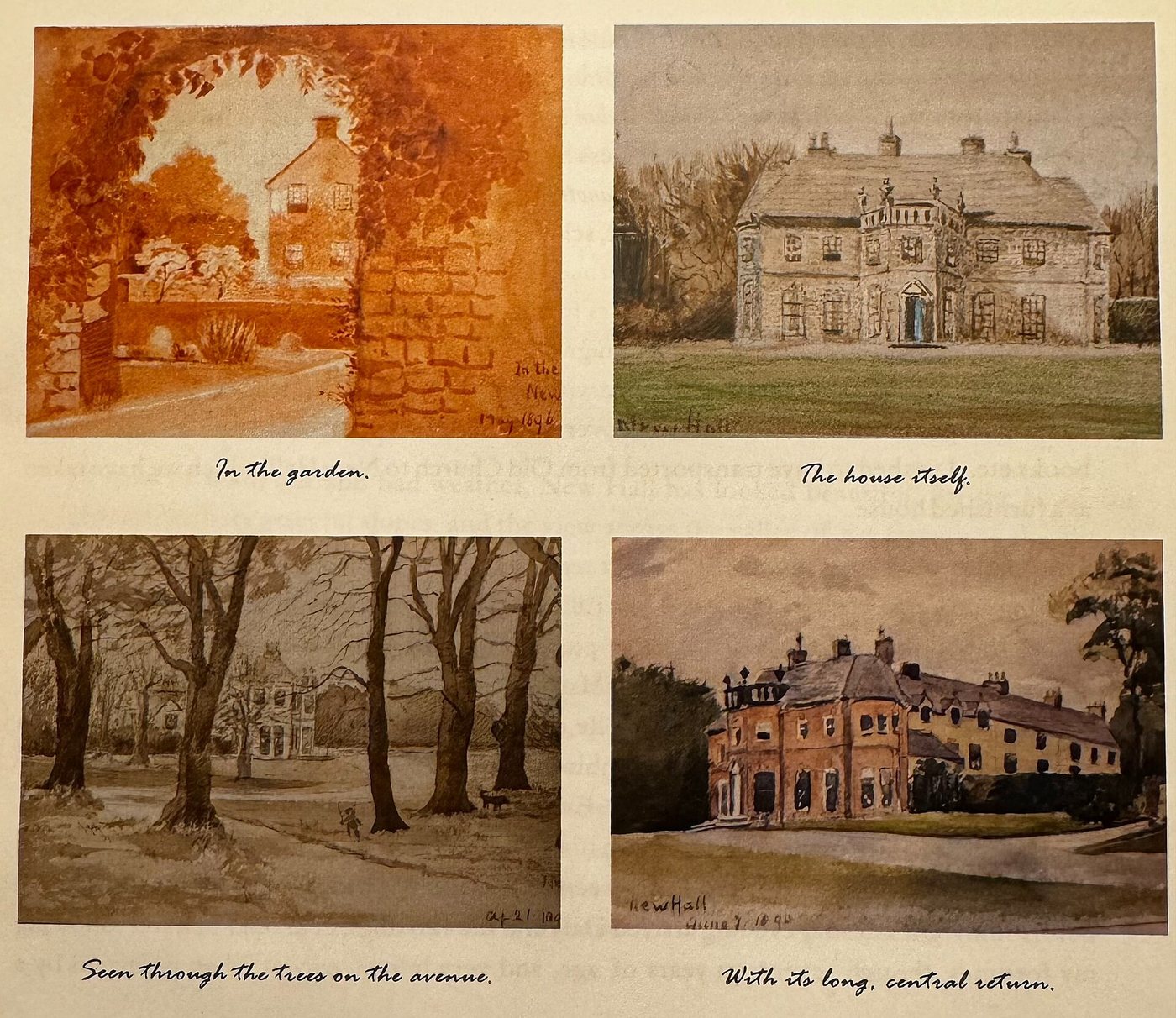
In 1883, Charles Randal Armstrong MacDonnell inherited the Newhall estate. His wife, Mary Stacpoole, came from the neighbouring gentry family of Edenvale, whose estate featured a grand mansion adjacent to Newhall.
In the 1870s, Mary’s father, William Stacpoole of Edenvale, Member of Parliament for Clare, owned an impressive 7,381 acres, further highlighting the prominence of the Stacpoole family in the region.
In 1912, Charles R.A. MacDonnell transferred 3,485 acres of tenanted land and 256 acres of untenanted land to the Congested Districts Board for over £26,000.
During the 20th century, from the 1920s until 2016, Newhall became home to the Joyce family of County Galway. When the Joyces first came to Newhall they ran a dairy farm, with as many as thirty-five people working on the estate — servants, farmhands and others; in the 1940s and 1950s the family operated a sawmill on the land, manufacturing coffin boards.
The family’s story carried its own drama: Lieutenant-Commander Tobias “Spike” King-Joyce survived the sinking of HMS Ark Royal in 1941, only to lose his life in a test flight in 1948.
As a gentry seat, Newhall was a hub of social life, hosting grand balls and fox hunts that drew Clare’s elite, reflecting its status and enduring charm. In its heyday the house was bustling with people — a rent-collection room within the house was where tenants of the estate farms came to pay their rents, while the service quarters to the rear held ancient kitchens and wine cellars, a dairy and a butler’s pantry.
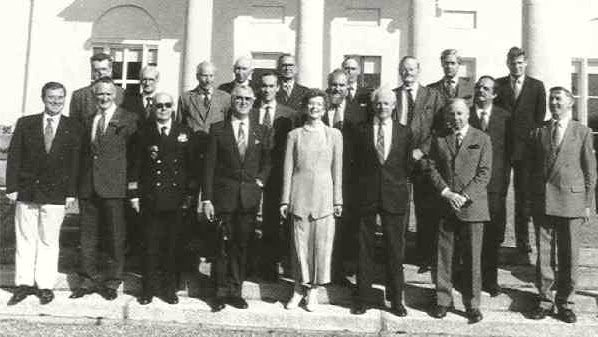
Joyce of Joyce County, of Clare, Hereditary Chief of His Name, pictured here with other Irish Princes, the old Gaelic order received by the President of Ireland.
Frances, the last of their line, and Chief of the Name, died in 2012 and is buried in Killone.
In 2016, the estate was purchased by the Commane family, from Newhall with deep historical ties to the area (John Commane of Newhall in 1828 tenant farmer and Comane 1659 census records). Today, the family has undertaken a meticulous restoration of the house, bringing it back to its original grandeur while honouring its rich heritage.
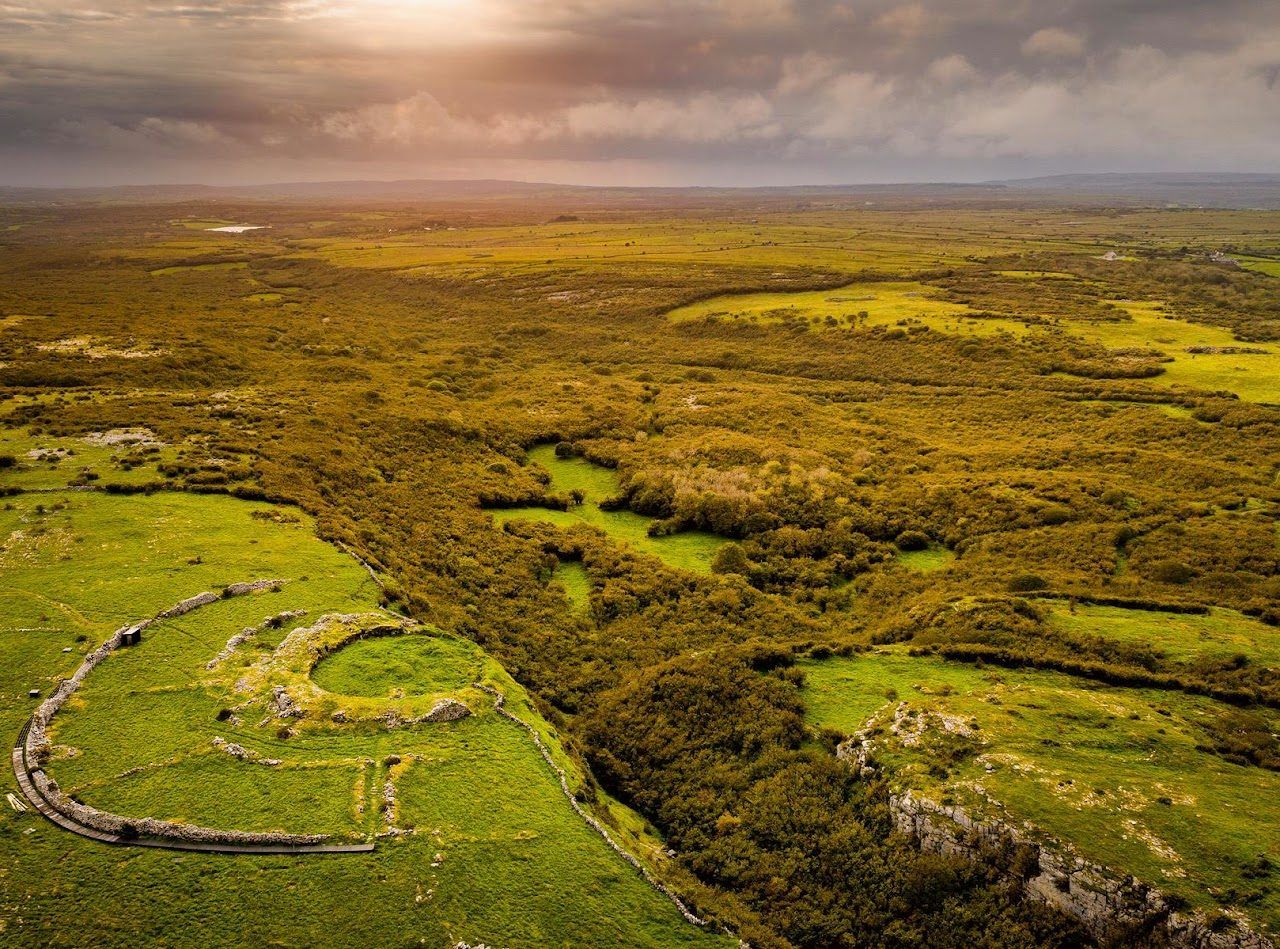
The Commane family of Clan Ó Comáin is an ancient Gaelic royal house — one of the oldest documented families in County Clare. Their ancestral capital, Cahercommane in the Burren, a triple ring stone fort regarded as one of the most important ancient sites in Munster, was a ceremonial inauguration site of the Chiefdom of Tulach Commáin. Their lineage extends through the kings of Déisi Munster, the royal dynasty of Uí Maine in Connacht, and the spiritual legacy of Saint Commán — founder of Roscommon and the ancient church at Kinvara. A direct male line confirmed by DNA stretches unbroken in Ireland for over 4,000 years.
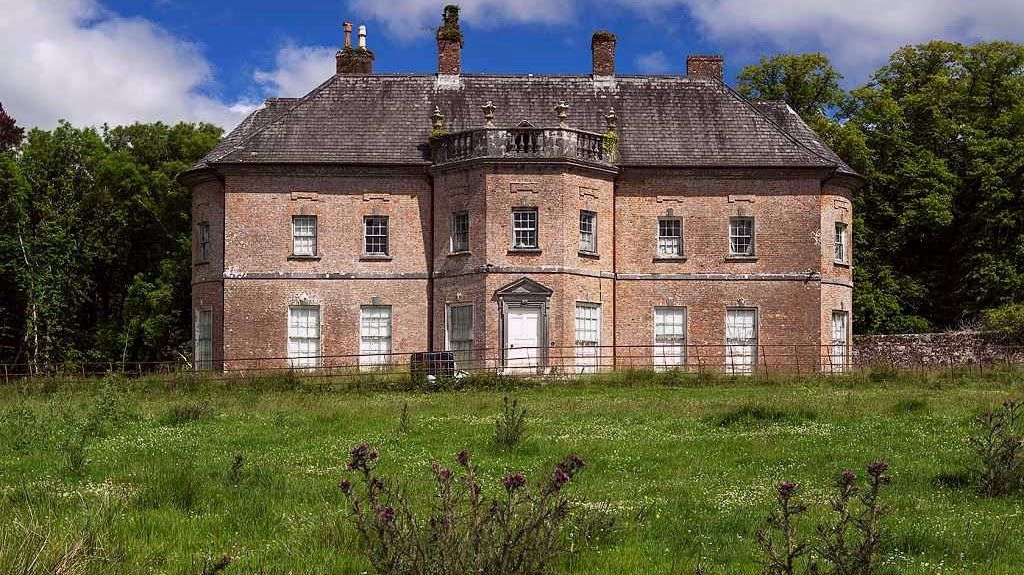
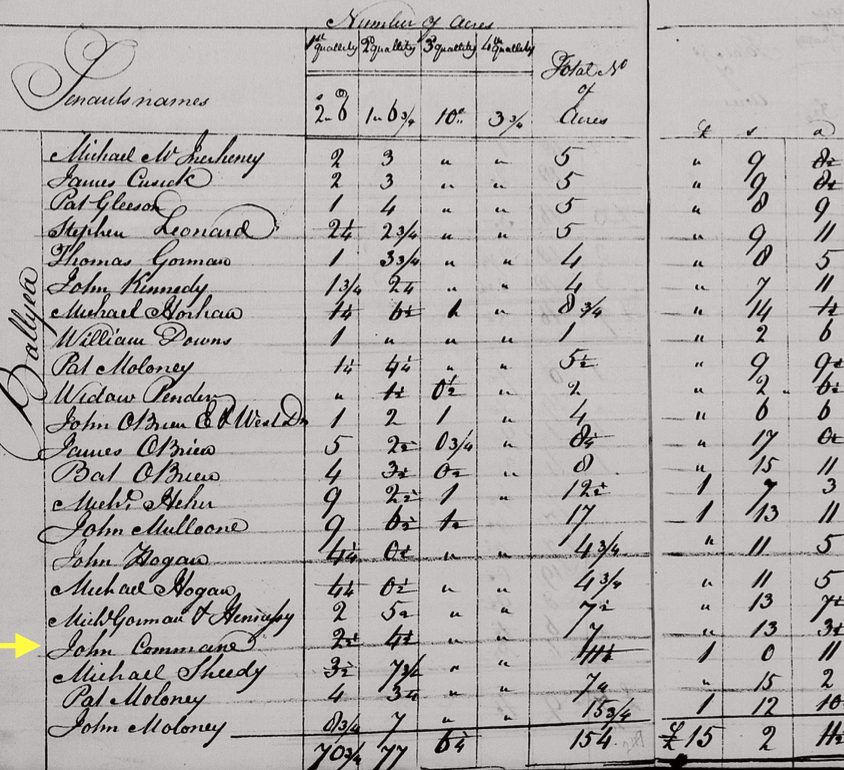
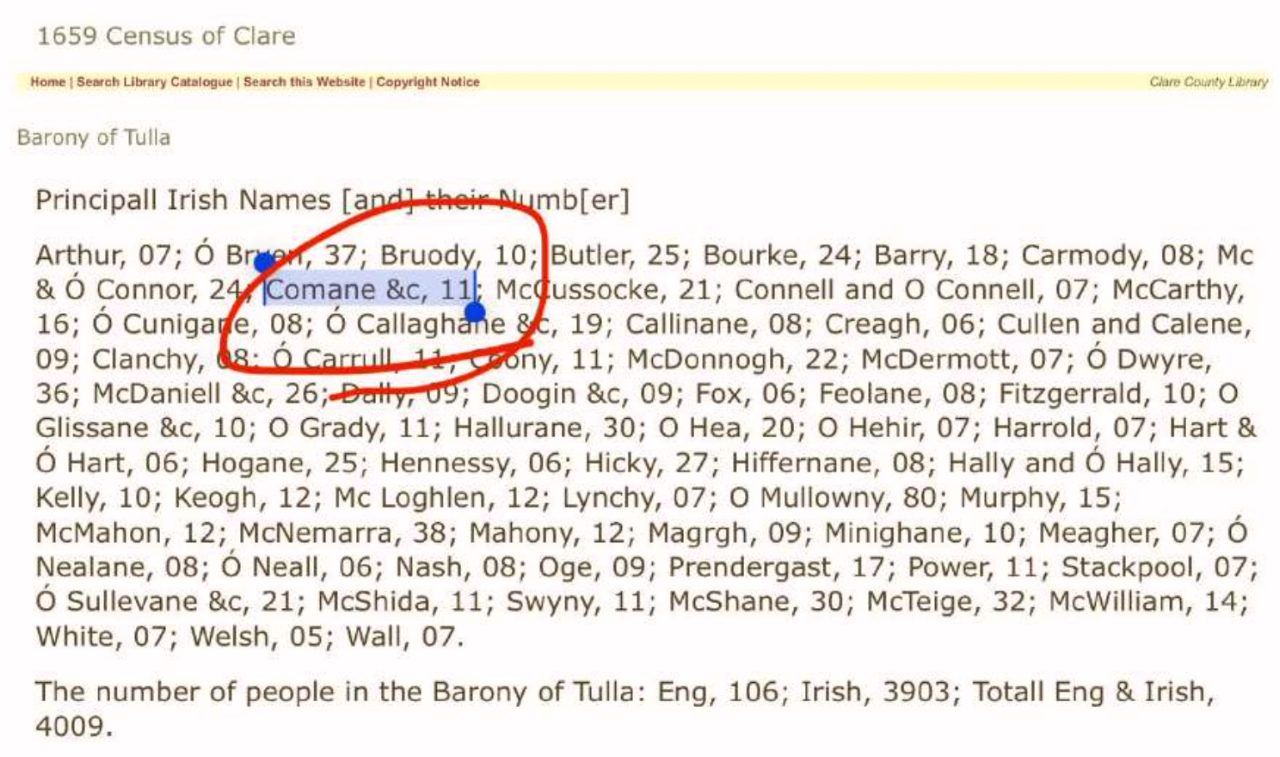
Fergus Commane, one of 11 children born at Newhall (townland), grew up on his parents’ farm across the road from Newhall House, on land that was once part of the estate. Like many young Irish people of his generation, he moved to London to build a career and achieved business success at an early age. Deeply connected to the area’s heritage, Fergus nurtured a lifelong dream of acquiring Newhall to restore it to its former glory. After decades of unsuccessful attempts to purchase the estate, fate intervened when the property finally became available to purchase.
Today, the Commane family have restored Newhall into a cherished home and are developing a wellness retreat on the estate land that celebrates its folklore, spiritual history, and cultural significance. Their efforts include preserving Killone Abbey and the Holy Well of St John, revitalising new life into these national treasures and re-establishing Newhall as a vibrant part of Ireland’s heritage.
The Commane family traces back at least 1,700 years in County Clare, with documented ancestry extending to the royal dynasty of Uí Maine in Connacht and the Déisi Munster, a royal line whose king bore the family name as early as 658 AD.
DNA evidence further confirms an unbroken direct male line in Ireland stretching back 4,000 years — one of the most ancient and deeply rooted Gaelic Irish lineages in existence.
The family’s name is carried in the landscape of Clare itself — most visibly at Cahercommane in the Burren, the great stone fort that served as the capital and inauguration site of the early medieval Chiefdom of Tulach Commáin (“Fort of Commane”), just a few miles from Newhall, now a recognised archaeological site.
The annals record Suibne mac Comáin as king of the Déisi Muman (the Déisi of Munster) in 658 AD — one of the earliest historical figures bearing the Comáin name — followed by his son Congal mac Suibne mac Comáin as king of the Déisi in 701 AD, Célechair mac Comáin killed in battle in Clare in 705 AD, and Colmán mac Comáin, called one of the four sages of Ireland, who died on the Aran Islands in 751 AD.
The Déisi were a powerful Munster people whose expansion into what is now County Clare during the early medieval period brought the Comáin name into the Clare landscape, where it became preserved in Tulach Commáin and Cahercommane.
A related branch retained territory in Kerry, preserved to this day in townlands Ballycommane and Na Comáin — “The Commanes” — in the Iveragh barony, strongly suggesting that the Kerry Commanes and the Clare Commanes are branches of the same ancient family, separated by geography across more than a thousand years.
A local place name “Commane” in Monanimy Lower, Barony of Fermoy, County Cork — in the ancient heartland of Munster — further suggests the family’s reach extended across the southwest, with the name embedded in the landscape of Clare, Kerry and Cork alike.
Through genealogical records preserved in the Book of Lecan, the Book of Leinster, and John O’Hart’s Irish Pedigrees (1892), the family’s ancestry can also be traced to the royal line of Uí Maine in Connacht — one of the oldest kingdoms in Ireland, established around 357 AD. The critical figure is Cairbre Crom (fl. c. 556 AD), 11th King of Uí Maine. His son Breanan Dall, 12th King of Uí Maine, recorded in the Annals of Ulster at his death in 597 or 601 AD, is the direct ancestral link to the Commane line. Breanan Dall’s son Coman (fl. c. 620–650 AD) is the person from whom the surname Ó Comáin directly derives — meaning “descendant of Coman,” the name itself signifying nobility.
Whether the Connacht and Munster branches represent one ancient family or two independent lines who separately took their surnames from the same personal name remains an open question. What is certain is that the name Comáin carried royal significance on both sides of the Shannon simultaneously in the 7th century — a remarkable testimony to the prestige the name commanded across early medieval Ireland.
Through their shared descent from Cairbre Crom, the Commane family share common ancestry with the Clancy, Kelly, Madden, Tracy, Hannan, Kenny, Colman, Egan and Larkin families — all collateral branches of the same ancient Uí Maine royal house. Notably, the Hurley name found in parts of Munster is not a cousin family but a different anglicisation of Ó Comáin itself.
The Commane family lineage, by tradition, claims earliest known descent from Ferchess mac Commán (anglicised as Fergus Commane), recorded in the Irish annals as a Gaelic lord, fían warrior, seer, and poet of the 3rd century; a member of the royal household of King Ailill, who ruled southern Ireland. According to early Irish sagas, Ferchess was tasked by King Ailill to avenge the death of his son, Éogan, by slaying Mac Con, the High King of Ireland. An act commemorated in the naming of the “Rapids of Ferchess”.
The family’s heritage is further enriched by Saint Commán, who founded Roscommon (Ros Commáin — “Commán’s Wood”) and founded the ancient church at Kinvara in County Galway, on the southern edge of the Burren — the very heartland of the ancient Chiefdom of Tulach Commáin — with his death recorded in the Annals of Ulster at 747 AD.
The name also appears in the 11th century in the figure of Gilla Cómáin mac Gilla Samthainde (fl. 1072), a celebrated medieval Irish poet whose works were incorporated into the Lebor Gabála Érenn (Book of Invasions), one of the great manuscripts of Irish literature.
By the 13th century, the family were dispossessed of their ancestral lands following the Anglo-Norman invasion, when King Henry III granted the Lordship of Connacht to the De Burc (Burke) family in 1225. The last recorded chief, Conall O’Comain, is noted at this point in the pedigree. That the clan possessed a formal inauguration site — Tulach Commáin, regarded as a supernaturally potent spot by local tradition as late as the 19th century — confirms this was no ordinary noble family, but a genuine Gaelic chieftain line whose dispossession marked the end of an ancient order in Clare. (According to John O’Hart in Irish Pedigrees, 1892.)
A Big-Y DNA test places the Commane family’s male ancestry within the Bronze Age population that settled the western edge of Ireland over 4,000 years ago through haplogroup R-L1066, identified in ancient remains from Scotland dating to 1500–1300 BC, with a further ancient individual on a closely related branch dated to between 43 BC and 117 AD — reflecting the shared ancestry of the Atlantic Celtic world at a time when Ireland and Scotland were effectively one people.
Notably, the Commane result sits within the same R-Z2534 branch shared by the ancestors of the Dál Cais dynasty of Clare — the family of Brian Boru, and the O’Brien, MacNamara and O’Dea lords who governed the region for centuries — suggesting that at a deep prehistoric level, these great Clare families and the Commanes descend from the same ancient ancestors, their DNA carrying a story far older than any written record.
This rich history highlights the Commane family’s deep roots as an ancient Gaelic lineage, firmly connected to the heritage of Newhall and its surrounding lands — a family whose name is carried in the very landscape of Clare, most visibly at the great stone fort of Cahercommane in the Burren, built by their ancestors over a thousand years ago.
The modern standardised Irish of the anglicised Commane is Ó Comáin, while the name Hurley is a mistranslation based on a linguistic confusion. The terms Comán and Camán (for hurley-stick) are distinct and unrelated in Irish, which also led Patrick Woulfe to incorrectly describe the name as meaning “bent,” based on a mistaken belief that Comán derived from the shape of a hurley stick.
Variant spellings of the surname arose due to the absence of a standardised Irish language until 1948 and the historical practice of English-speaking officials transcribing Irish names phonetically, often altering their original forms. In many cases, English officials wrote down names they were already familiar with, for example writing down Comyn, a well-known Scottish surname of Norman origin, despite it having no connection to the Irish name Ó Comáin.
It is also worth noting that some Irish Comyn family pedigrees, written to support legal or social applications, may have claimed Norman-Scottish lineage over native Irish origin.
Variant forms: Comain, Comaine, Coman, Comane, Comeens, Comins, Comman, Commans, Commins, Common(s), Command, Comyn, Cowman(s), Cummane, Cummin(s), Cumming(s), Cumyn, McCowman (Munster: Ó Comáin or Connaught: Ó Cuimín, or reduced from Mac Comáin, Mac Cuimín; the prefix signifies “descendant”).
The Commane’s Fergus and Maria Kinfauns keep the estate with their son Antoin and daughter Jessica-Lily.
Fergus, Lord Kinfauns is The Commane Irish clan chief, and 26th baron of the Scottish lordship of Kinfauns, whose line dates from 1330. His wife the baroness is Maria Commane, Lady Kinfauns. Their son is Antoin, Younger of Kinfauns, heir to the chiefship and lordship; and their daughter is Jessica-Lily, Keeper of the Seat.
In 2025, the antiquity and lineage of Clan Ó Comáin was recognised by Clans of Ireland, operating under the patronage of the President of Ireland. Read more about the clan.
Fergus Commane succeeded to the lordship of Kinfauns in the nobility of Scotland in 2024 as the Earl of Moray's nominated heir to his subsidiary title (but does not use the title, though it remains tied to Newhall as a heritable legacy), conferring and bestowing the honour along with the associated Crown-granted hereditary office of Admiralty of the Water of Tay — a title historically linked to the Earldom of Moray, one of the original seven earldoms of Scotland. Read more about the title.
Still privately owned, the estate is one of the oldest in Ireland & one of the few remaining Irish historic homes.